



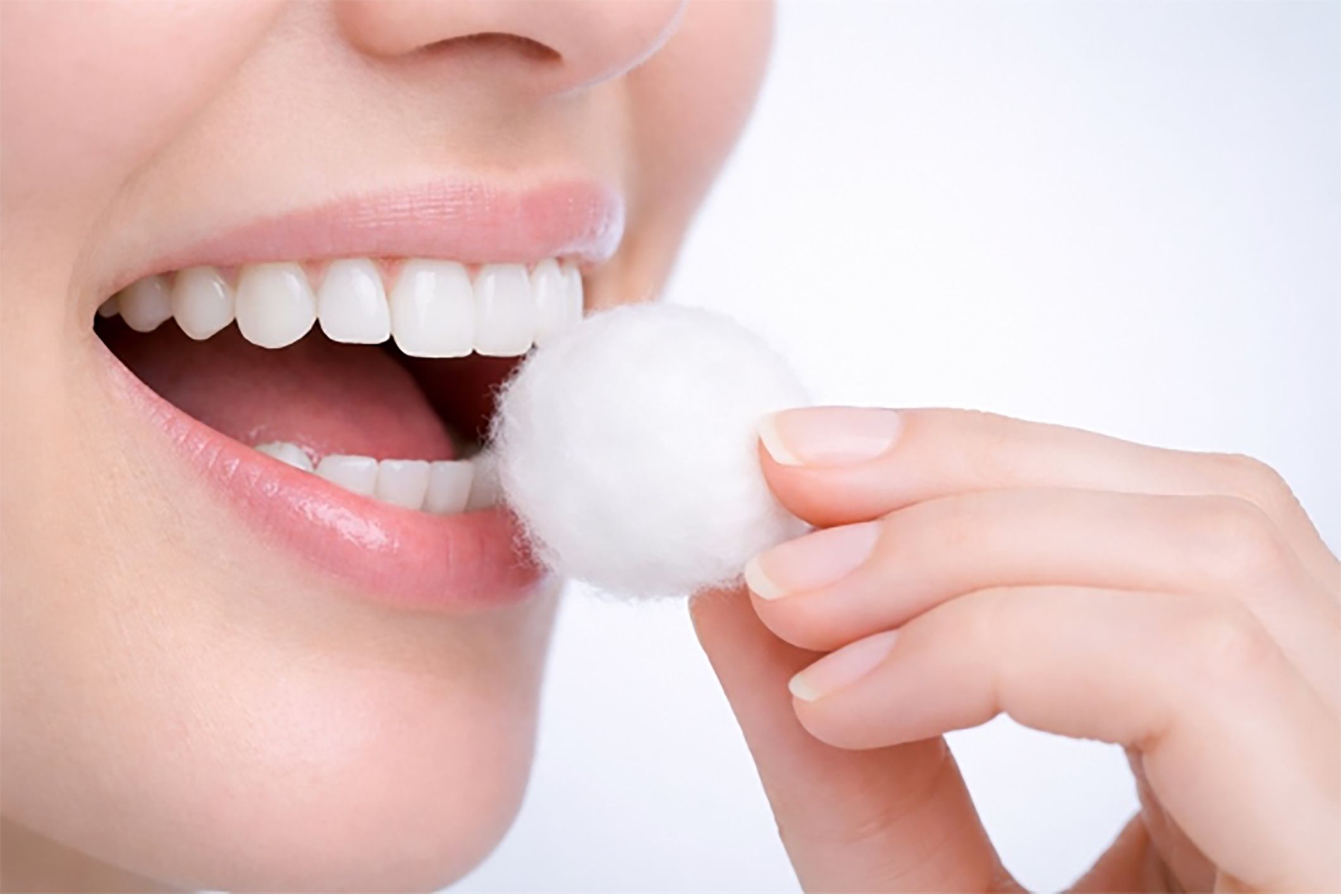
Some patients report that certain textures, such as cotton wool, wooden instruments or even dry fabrics can trigger a distinct “tooth shiver” sensation, sometimes without direct contact with the tooth surface.
Tooth sensitivity is most commonly associated with hot or cold stimuli. However, some patients will report unusual triggers for tooth sensitivity, and practitioners must consider atypical causes of dental pain to ensure that any dental treatment recommended is appropriate and necessary. While research continues to explore these mechanisms, our understanding of sensory processing in dentine hypersensitivity is still evolving. The trigeminal nerve, responsible for sensation across the face and oral cavity, plays a key role in how these signals are processed and perceived.
A review of the science to date
While these experiences may seem unusual, they still relate to the same underlying pathways involved in dentine hypersensitivity. Tooth sensitivity is often explained using the Hydrodynamic Theory, which focuses on the movement of fluid inside the dentinal tubules. The concept suggests that when this movement – which is caused by either thermal or physical changes, or osmotic stimuli – occurs inside exposed tubules in the dentine surface, it stimulates a baroreceptor and neural discharge. Where the fluid is flowing away from the dentine-pulp complex, typically due to cooling, drying, evaporation or hypertonic chemical stimuli, and the patient experiences increased pain. Heat causes the reverse, with fluid moving towards the dentine-pulp complex.[i] These stimuli ultimately activate nerve responses that are interpreted through trigeminal sensory pathways.
The Hydrodynamic Theory has been challenged by emerging research that suggests odontoblasts contribute to the pathogenesis of dentine hypersensitivity in some situations.[ii] Dental pulp nerve fibres are often entangled with odontoblasts, which may allow the transmission of signals to adjacent nerve endings via chemical mediators. Pain mediators may also communicate between odontoblasts and trigeminal neurons, further supporting alternative mechanisms for dentine sensitivity.
The trigeminal nerve is the largest cranial nerve and it is responsible for communicating sensations in the mouth, teeth and face, with the brain. The trigeminal nerve integrates sensory input from the teeth, face and surrounding tissues. Variations in how these signals are processed may contribute to heightened or unusual sensitivity responses in some patients.[iii]
Referred pain
The trigeminal nerve may also contribute to broader or referred sensations across the face and surrounding tissues. Because it integrates sensory input from the teeth, skin and oral structures, stimulation in one area may be interpreted in another, helping to explain why some patients experience sensitivity beyond the immediate tooth surface.
This may also provide insight into reports of unexpected triggers, including textures or non-contact sensations, which do not align with traditional models of dentine hypersensitivity and may reflect broader mechanisms of sensory sensitisation.[iv] Variations in sensory processing within trigeminal pathways may influence how these signals are perceived, particularly in individuals with exposed dentine or lower sensory thresholds.
While distinct from dentine hypersensitivity, conditions such as trigeminal neuralgia demonstrate how minor stimuli can, in some cases, trigger disproportionate sensory responses, including everyday activities such as shaving, exposure to cold weather, or light touch. [v],[vi],[vii] Together, this highlights the central role of trigeminal pathways in how sensory input is interpreted across the oral and facial region.
Application in the dental practice
Consequently, it is crucial that a comprehensive dental assessment is performed to identify potential causes of sensitivity, prior to the delivery of any treatment. This helps to avoid unnecessary dental interventions in situations where symptoms may be misinterpreted as an oral complication.
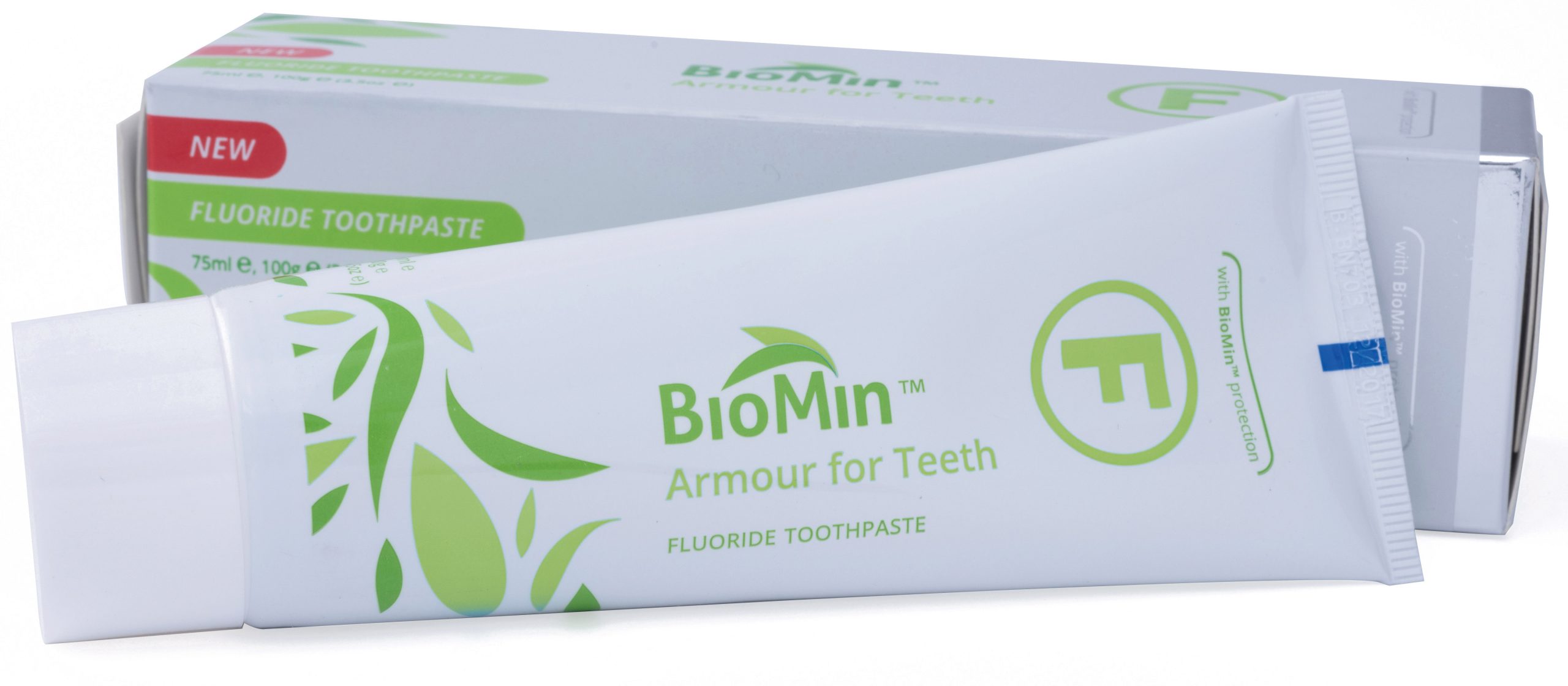 To help patients manage dentine hypersensitivity, BioMin® toothpaste uses bioactive glass technology to gradually release calcium, phosphate and fluoride ions for up to 12 hours. These ions support the formation of a more acid-resistant mineral layer and help occlude exposed dentinal tubules, stabilising the tooth surface. By limiting fluid movement within the tubules, BioMin® addresses the underlying cause of sensitivity at its source, rather than simply masking symptoms. This approach addresses the inherent biological trigger of dentine hypersensitivity, rather than acting only after the sensitivity response has already been initiated.
Dentine hypersensitivity sits within a complex neurological and biological system. Patients’ explanations of triggers or their perceived pain levels and location may not be telling the full – or the right – story. For dental professionals, understanding all the potential causes and performing a comprehensive clinical investigation into symptoms is crucial for an accurate diagnosis and genuinely helpful treatment strategy. This includes recognising that some sensitivity responses may be influenced by broader sensory processing, not just direct stimulation of the tooth surface.

The science is clear. The solution is simple.
www.biomin.co.uk
2026 Supply Update
We are currently experiencing an ongoing supply disruption for BioMin® F, BioMin® C, and BioMin® F for Kids across many of our usual stockists. This pause ensures we continue to meet the highest standards of quality and regulatory compliance for all our products.
We understand that this may be inconvenient, and we sincerely appreciate your patience and support during this period. We are working hard behind the scenes to resolve the situation and will share updates on our website as soon as we have a clearer timeline.
Thank you for continuing to trust BioMin® for your oral health needs.
 Author: Alec Hilton | CEO | BioMin Technologies
[i] Davari A, Ataei E, Assarzadeh H. Dentin hypersensitivity: etiology, diagnosis and treatment; a literature review. J Dent (Shiraz). 2013 Sep;14(3):136-45. PMID: 24724135; PMCID: PMC3927677.
[ii] Liu XX, Tenenbaum HC, Wilder RS, Quock R, Hewlett ER, Ren YF. Pathogenesis, diagnosis and management of dentin hypersensitivity: an evidence-based overview for dental practitioners. BMC Oral Health. 2020 Aug 6;20(1):220. doi: 10.1186/s12903-020-01199-z. PMID: 32762733; PMCID: PMC7409672.
[iii] Kim HK, Chung KM, Xing J, Kim HY, Youn DH. The Trigeminal Sensory System and Orofacial Pain. Int J Mol Sci. 2024 Oct 21;25(20):11306. doi: 10.3390/ijms252011306. PMID: 39457088; PMCID: PMC11508441.
[iv] Woolf, C.J., 2011. Central sensitization: implications for the diagnosis and treatment of pain. pain, 152(3), pp.S2-S15.
[v] Koh W, Lim H, Chen X. Atypical triggers in trigeminal neuralgia: the role of A-delta sensory afferents in food and weather triggers. Korean J Pain. 2021 Jan 1;34(1):66-71. doi: 10.3344/kjp.2021.34.1.66. PMID: 33380569; PMCID: PMC7783845.
[vi] Hartmann M, Rottach KG, Wohlgemuth WA, Pfadenhauer K. Trigeminal Neuralgia Triggered by Auditory Stimuli in Multiple Sclerosis. Arch Neurol. 1999;56(6):731–733. doi:10.1001/archneur.56.6.731
[vii] Prem A. Trigeminal neuralgia triggers: practical ways to reduce avoidable pain. TNA.org.uk https://www.tna.org.uk/news/trigeminal-neuralgia-triggers/#:~:text=Pat%20your%20face%20dry%2C%20rather,near%20the%20jaw%20and%20neck. [Accessed March 2026]


