



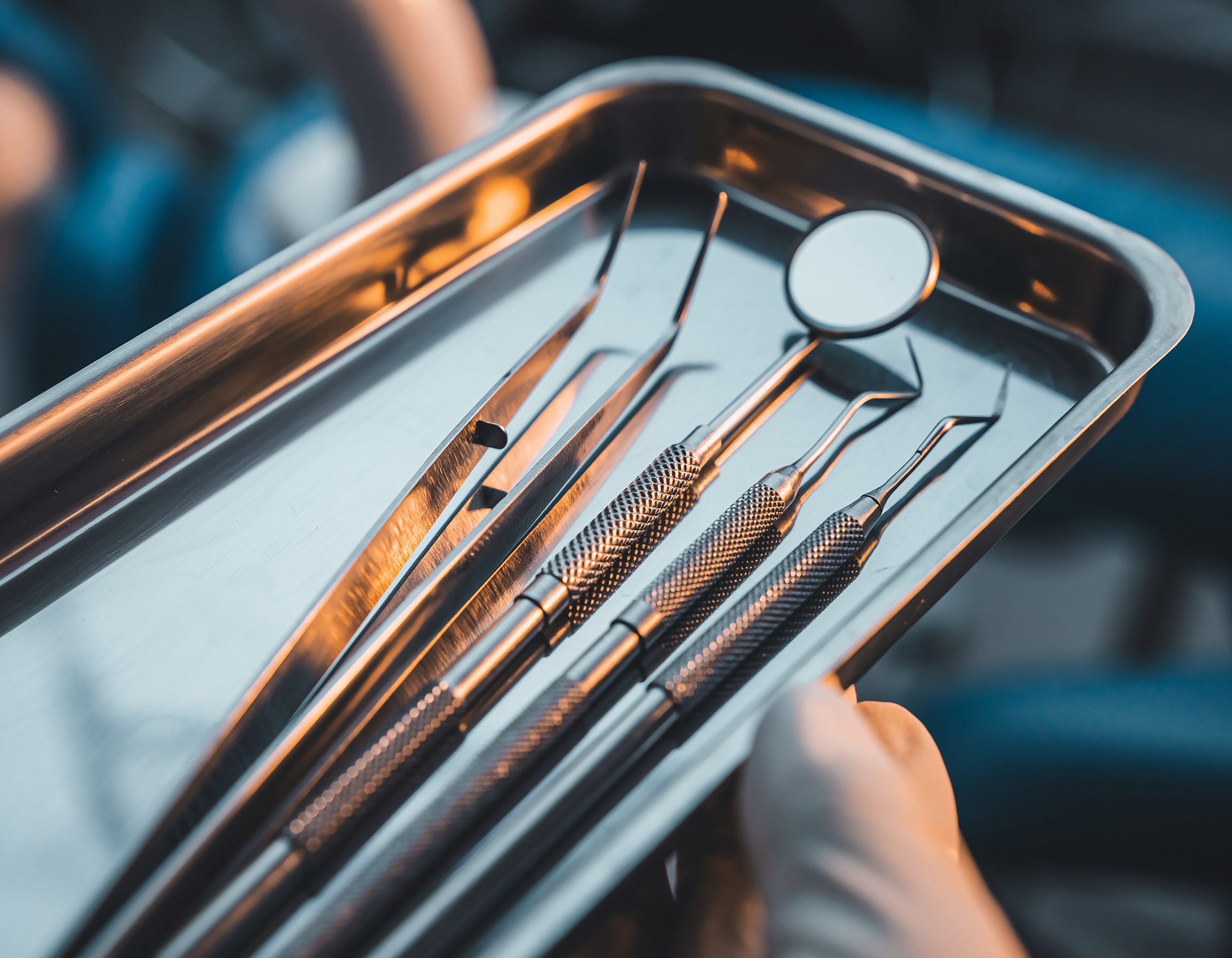
Decontamination is a critical process in every dental practice. It protects patients, supports staff safety, and ensures compliance with national guidance and regulations. However, there is no single solution that suits every business. Each practice is different. Size, workload, budget, and future plans all influence the most appropriate equipment choices.
Having access to a range of decontamination options allows practices to design workflows that suit them. Variety is being able to select the right tools for the job, both now and in the future, without compromise.
Understanding autoclave options
Autoclaves are at the heart of instrument reprocessing. UK guidance such as HTM 01-05/SHTM 01-05 outlines best practice for cleaning, disinfection, and sterilisation of reusable dental instruments.[i] Within this framework, there are different types of autoclaves available, each offering specific advantages.
Non-vacuum (Class N) autoclaves are suitable for solid, unwrapped instruments. They are often chosen by practices with simpler instrument sets and lower throughput. Vacuum (Class B) autoclaves offer greater flexibility, able to process wrapped instruments, hollow instruments and handpieces, supporting more complex clinical workflows.
Choosing the right autoclave depends on how instruments are used, stored and rotated within the practice. Wrapped instruments, for example, allow for longer sterile storage and improved workflow efficiency, which can be particularly helpful in busy or multi-surgery practices.
Washer disinfectors: manual versus automated
Instrument cleaning is a vital step before sterilisation. While manual cleaning is permitted under HTM 01-05/SHTM 01-05 Essential Quality Requirements, it carries limitations. Manual processes are variable and rely heavily on staff technique, consistency, and compliance. They also present a higher risk of sharps injuries and aerosol exposure.
Washer disinfectors automate the cleaning and disinfection stage. They provide validated, reproducible cycles that remove debris and reduce microbial load before sterilisation. Bench top washer disinfectors are suitable for many smaller dental practices, offering compact footprints and efficient performance.[ii] Larger models may be appropriate for high-volume practices or dedicated decontamination rooms, supporting clear dirty-to-clean workflows.
Why invest in a washer disinfector at all?
The decision to invest in a washer disinfector is often driven by safety, efficiency, and Best Practice compliance. Automated and validated cleaning reduces direct handling of contaminated instruments, supporting staff wellbeing. It also standardises the process, making record-keeping more straightforward, as recommended by HTM 01-05.
In practical terms, washer disinfectors can also save time. While a cycle is running, staff are free to focus on other tasks. Over time, this can improve productivity and reduce pressure during busy clinical sessions.
In Scotland SHTM01-05 a Washer Disinfector is mandatory for reprocessing instruments.
The role of ultrasonic cleaners
Ultrasonic cleaners can play a useful supporting role within the decontamination workflow. They use high-frequency sound waves to remove debris from complex instruments, joints and serrations. This makes them particularly valuable for pre-cleaning heavily soiled instruments or those with intricate designs.
Guidance highlights that ultrasonic cleaners should be used with lids in place and located away from patient areas to reduce aerosol risk. They are not a replacement for washer disinfectors but can complement automated systems or enhance manual cleaning stages where appropriate.
Water quality and the benefit of RO systems
Water quality has a direct impact on the performance and lifespan of decontamination equipment. Autoclaves require water that is free from minerals and contaminants to prevent scaling, staining and internal damage. Traditionally, this has been achieved using bottled distilled or deionised water.
Reverse Osmosis (RO) systems offer an alternative. These are systems that include UV light, produce high-purity water on site by removing dissolved solids, bacteria and microorganisms. Using an RO system can reduce reliance on plastic bottles, improve consistency of water quality, and support sustainability goals. RO water also helps protect autoclave components, supporting long-term reliability and performance.
Planning for support and longevity
When selecting decontamination equipment, it is important to look beyond the initial purchase. Ongoing servicing, technical support, and access to expert advice all contribute to long-term value. Equipment that is well maintained is more reliable, more compliant, and more cost-effective over its lifetime.
This is where established providers such as Eschmann play a key role. With a long-standing focus on decontamination, Eschmann supports practices not only with equipment choice but with ongoing Care & Cover, technical backup, service, and support. This approach helps practices protect their investment, extend equipment lifespan, and maintain consistent compliance over time.
Choice that works for your practice
There is no single ‘best’ decontamination setup. The most ideal solution is the one that fits the needs of the practice, today and tomorrow. By understanding the range of options available – from autoclaves and washer disinfectors to ultrasonic cleaners and RO systems – practices can make informed decisions that support safety, efficiency and sustainability.
Choice brings flexibility. And in decontamination, flexibility supports resilience, compliance and peace of mind.

For more information on the highly effective and affordable range of decontamination solutions available from Eschmann, please visit www.eschmann.co.uk or call 01903 753322
 Author: Nicky Varney – Head of Marketing
[i] https://www.england.nhs.uk/wp-content/uploads/2021/05/HTM_01-05_2013.pdf
[ii] https://www.eschmann.co.uk/products/hydrim-c61-wd-benchtop-washer-disinfector/


