




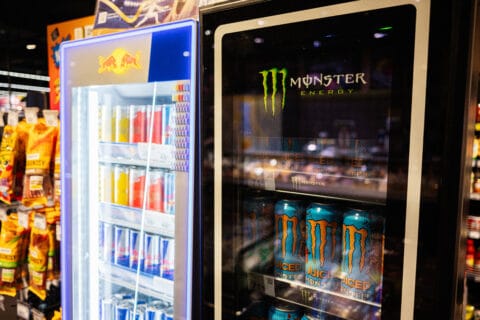
 Dental, as well as food and health, organisations have applauded the government’s decision to ban sales of high caffeine energy drinks to under-16, and the publication of the response to the public consultation on this proposal. The government has now set a clear deadline of April 2027 for new laws coming into force.
Eddie Crouch, Chair, British Dental Association says: “Packed with sugar and highly acidic, dentists have seen the damage energy drinks do every day.”
“The result is children struggling to eat, to sleep and to learn. Taking them off the menu for under 16s is a victory for common sense.”
Professor Martyn Cobourne, Dean of the Faculty of Dental Surgery (FDS) at the Royal College of Surgeons of England (RCS England), said: “Restricting the sale of high-caffeine energy drinks to under-16s is an important step towards improving children’s oral health. These drinks are often extremely high in sugar, which increases the risk of tooth decay, and reducing children’s access to them will help protect their teeth and support healthier habits from an early age.”
Barbara Crowther, Children’s Food Campaign Manager says: “The decision to ban sales of high caffeine energy drinks to children is absolutely right, given strong evidence of their harmful effects on their physical, mental and dental health, and overwhelming public support including parents, young people, health professionals, teachers and food retailers.
“We look forward to seeing legislation laid before Parliament at the earliest opportunity, to meet the April 2027 deadline. It’s now two years since the Labour government pledged this action – almost 300 million more high caffeine energy drinks have been sold to children in that time. The decision is made, no more kicking the can down the road – let’s make this law now.”
Katharine Jenner, Executive Director of the Obesity Health Alliance says: “This is a hugely popular policy, backed by parents, health professionals and the public, and a vital step towards protecting children’s health. Strong evidence links high-caffeine energy drinks to anxiety, poor sleep, reduced concentration and harm to learning and wellbeing – restricting sales to children at a vital time in their life is just common-sense.
“Children in more deprived communities are disproportionately affected. Extending the ban across shops, vending machines and online sales will create a fair, consistent system for retailers and families. After years of delay, the Government must now secure approval, support effective enforcement and ensure the ban starts promptly in April 2027.”
Partners say that any ban on sales to children is welcome, but all had hoped the government would be more ambitious and set the age limit at under-18, in line with legal definitions of a child. 16 and 17 year olds are some of the highest consumers of energy drinks, and aligning the age restriction with other products such as vapes, lottery tickets and alcohol would have sent a much clearer message. Campaigners have urged the government to monitor and review this as part of reviewing the policy’s effectiveness once implemented.


