


 Fixed prostheses provide a wide range of patients with an effective solution to partial or complete edentulism. By restoring function and aesthetics, this treatment modality can have a significant impact on self-esteem and quality of life. However, there are a variety of aspects that must be considered for results to be optimised and maintained for many years to come. Both the clinician and patient have a role to play in ensuring a successful prosthesis and keeping it clean with excellent daily oral hygiene and professional intervention.
Prosthetic design
The design of the prosthesis provided to a patient is crucial for allowing sufficient cleaning during daily at-home oral hygiene regimes. Screw retention is often preferred to help reduce biological complications that are often associated with excess cement. The emergence profile should facilitate hygienic contours, with self-cleansable inter-implant pontic sections.[i]
The prosthetic design is so important for implant success that it is a proven indicator for peri-implant health. Restorative contours and prosthetic cleansability have a direct impact on the risk of peri-implantitis, emphasising the need to prioritise access to the restoration for cleaning from the early planning stages of treatment.[ii] Other important prosthetic factors that determine treatment success include the risk of technical complications, function, and aesthetics.[iii] In addition, it is important to establish an occlusal scheme that protects the implants from overloading to further optimise outcomes.[iv]
Surgical technique
Guided implant protocols have been developed in response to the increasing demands placed on clinicians. These facilitate prosthetically driven implant treatment from planning to execution, reducing the potential for biological or technical complications from the outset by ensuring highly accurate and predictable implant placement.[v] The prosthetic material selected also contributes to treatment success and should be optimised accordingly.[vi]
Other considerations include the number of implants chosen to support the prosthetic, the use of augmentation procedures, and the implementation of night guards, all of which play a role.[vii] A choice must also be made between a fixed or removable implant-retained prosthesis, with the former associated with slightly better outcomes after 5 years.[viii] All these surgical aspects enable the delivery of a cleanable and highly successful prosthesis.
Patient education
Always essential, effective patient education is equally vital for ensuring that individuals understand how to care for their implants and prosthesis in the long-term. Research suggests that awareness is fairly low among the general population with regard to techniques for cleansing implant-retained prosthetics.[ix]
This emphasises the need for comprehensive advice and support when it comes to preparing a patient for implant rehabilitation. Long before treatment commences, the importance of ongoing oral hygiene maintenance must be impressed upon them. Individuals must understand their responsibilities when it comes to effective at-home routines and regular dental check-ups.
The evidence shows that efficient patient education enhances compliance with professional advice and elevates dental outcomes.[x] This requires a positive patient-practitioner relationship and effective communication, which can be enhanced through adjunctive tools such as animations and other visual aids that improve patients’ understanding of the information being exchanged.[xi]
Being specific
Communication can be further optimised when guidance is tailored specifically to the individual. The dental team must ensure that they have truly listened to each patient in order to genuinely identify and address their concerns – no assumptions should be made or judgements passed. It is vital that this is a two-way conversation, inviting patients to ask questions and really appreciate the accountability they will need to assume for treatment success.
Advice should then be specific to them, taking any key factors into consideration. For example, if a patient’s time is limited, be sure to provide an efficient oral hygiene plan that they can realistically implement within their normal day.
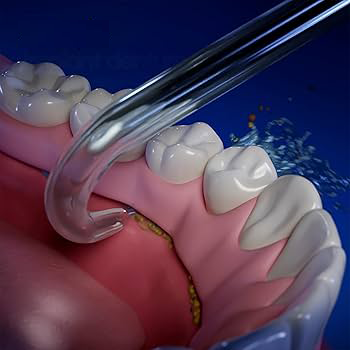 It is also important to recommend oral hygiene adjunctive products by brand, as the use of copycat products may not deliver the same level of effectiveness as the original solutions. When it comes to cleaning around implant-retained prosthetics, for instance, the Waterpik™ Ultra Professional water flosser with dedicated Implant Denture Tip is unmatched in its advantages. It reaches hard-to-access areas of the prosthesis with a uniquely curved design that removes up to 99.9% of plaque from treated areas[xii] around and underneath implant-supported dentures. It’s a clinically proven, easy-to-use, and highly effective oral hygiene solution that delivers genuine results for patients. Waterpik™ is also the #1 recommended water flosser brand among UK dental professionals[xiii] and the only one approved by the Oral Health Foundation.
Beyond prosthetic delivery
Implant rehabilitation is an excellent option for many patients, restoring oral function and aesthetics. However, long-term success relies on effective maintenance and ongoing oral hygiene, which can only be achieved if the prosthesis is designed to with access and cleansability in mind. The patient-practitioner relationship will be key in the long-term, ensuring that patients have the tailored support they need to maintain results.
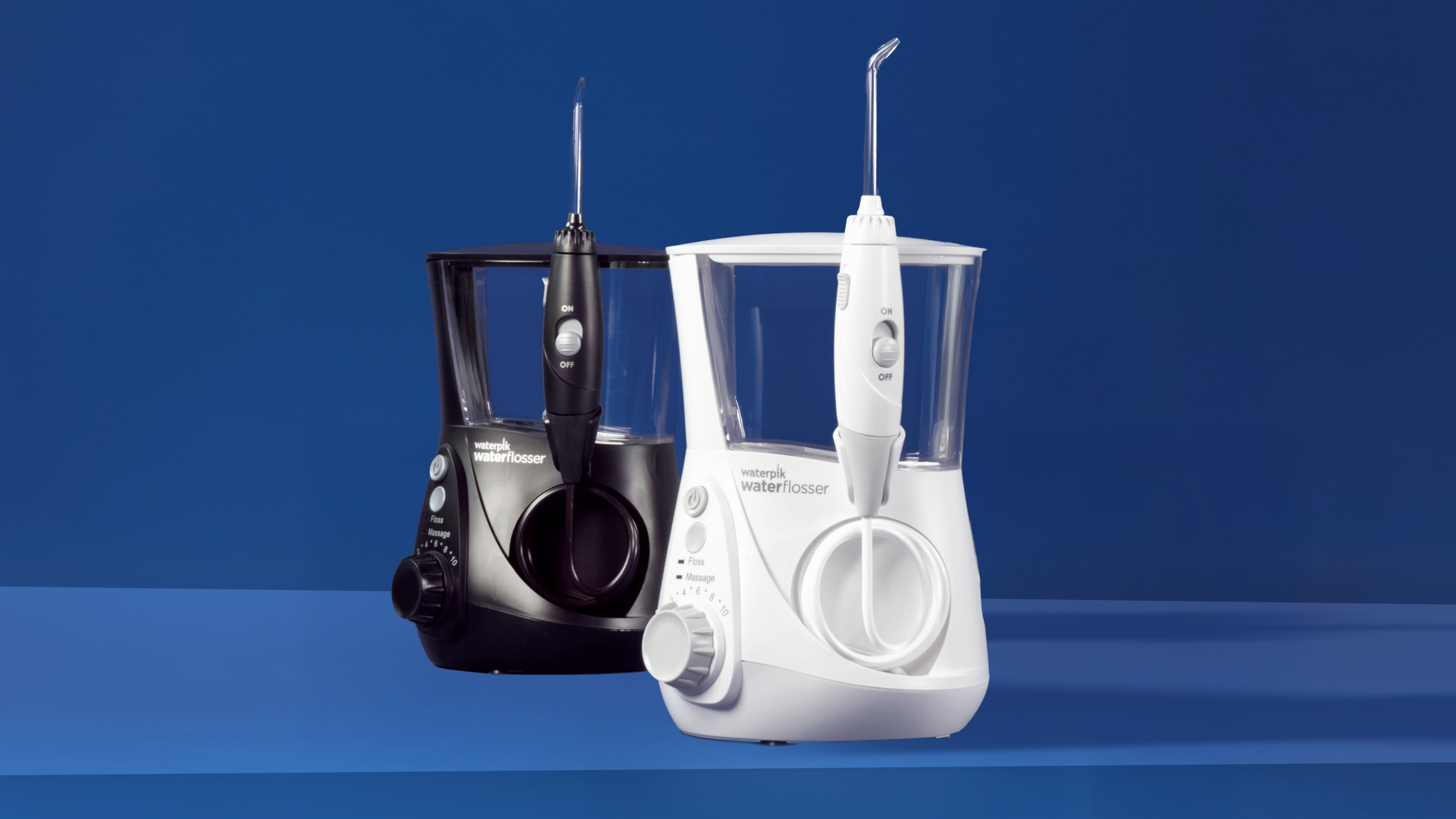
For more information on WaterpikTM water flosser products visit www.waterpik.co.uk. WaterpikTM products are available from Amazon, Costco UK, Argos, Boots and Tesco online and in stores across the UK and Ireland.
Author: Rachel Bennett – dental hygienist professional advisor for Waterpik

[i] Maintenance of full-arch implant restorations. Position state of the American College of Prosthodontists. https://www.prosthodontics.org/about-acp/position-statement-maintenance-of-full-arch-implant-restorations/ [Accessed May 2026]
[ii] Hamilton A, Putra A, Nakapaksin P, Kamolroongwarakul P, Gallucci GO. Implant prosthodontic design as a predisposing or precipitating factor for peri-implant disease: A review. Clin Implant Dent Relat Res. 2023;25(4):710-722. doi:10.1111/cid.13183
[iii] Papaspyridakos P, Chen CJ, Singh M, Weber HP, Gallucci GO. Success criteria in implant dentistry: a systematic review. J Dent Res. 2012 Mar;91(3):242-8. doi: 10.1177/0022034511431252. Epub 2011 Dec 8. PMID: 22157097.
[iv] Montero J. A Review of the Major Prosthetic Factors Influencing the Prognosis of Implant Prosthodontics. J Clin Med. 2021 Feb 17;10(4):816. doi: 10.3390/jcm10040816. PMID: 33671394; PMCID: PMC7921991.
[v] Nulty A. A literature review on prosthetically designed guided implant placement and the factors influencing dental implant success. Br Dent J. 2024 Feb;236(3):169-180. doi: 10.1038/s41415-024-7050-3. Epub 2024 Feb 9. PMID: 38332076; PMCID: PMC10853061.
[vi] Tomar S, Agnihotri N, Vhanmane G. Prosthetic complications of implant-supported complete arch prostheses: An umbrella review of systematic reviews. J Prosthet Dent. 2026 Apr 1:S0022-3913(26)00196-4. doi: 10.1016/j.prosdent.2026.03.013. Epub ahead of print. PMID: 41927400.
[vii] Chen Y, Pu R, Xia Z, Yu K, Wang Y, Jiang Z, Yang G. Risk factors for implant failure of implant-supported fixed full-arch rehabilitation in edentulous maxillae and mandibles: A 1- to 7-year retrospective study. J Dent. 2025 Dec;163:106146. doi: 10.1016/j.jdent.2025.106146. Epub 2025 Oct 3. PMID: 41047093.
[viii] Ramanauskaite, A., Becker, K., Wolfart, S., Lukman, F., & Schwarz, F. (2022). Efficacy of rehabilitation with different approaches of implant-supported full-arch prosthetic designs: A systematic review. Journal of Clinical Periodontology, 49(Suppl. 24), 272–290. https://doi.org/10.1111/jcpe.13540
[ix] Senocak T, Cintosun Z, Bayindir F. Assessing patients’ awareness and knowledge of suggested cleaning procedures for implant prosthetic restorations Akd Dent J 2024;3(2): 47-5
[x] Ul Hassan N, Wahid S, Farooq A, tul Zahra K, Khalid BA, Faraz SA. 2025. Effectiveness of Patients Education in Improving Compliance with Oral Hygiene Practices. International Journal of Pharmacy Research & Technology (IJPRT). 15, 1 (Apr. 2025), 476–483. DOI:https://doi.org/10.55529/ijprt.409.
[xi] Hansen S, Jensen TS, Schmidt AM, Strøm J, Vistisen P, Høybye MT. The Effectiveness of Video Animations as a Tool to Improve Health Information Recall for Patients: Systematic Review. J Med Internet Res. 2024 Dec 30;26:e58306. doi: 10.2196/58306. PMID: 39753224; PMCID: PMC11730234.
[xii] Gorur, A., Lyle, D. M., Schaudinn, C., & Costerton, J. W. (2009). Biofilm removal with a dental water jet. Compendium of continuing education in dentistry (Jamesburg, NJ: 1995), 30, 1-6.
[xiii] Based on 2025 independent survey of Dental Professionals; among those who recommended branded water flossers


